8 Foods That Can Damage Your Teeth
 The food and beverages we consume play a significant role in maintaining or destroying our oral health. Several foods that we think are good for our body are actually feeding numerous bacteria present in our mouth. So, we have listed eight food items that are bad for our teeth and should be consumed within a limit.
- Candies
We all know how our teeth can be affected due to candies. The type of acids in them causes dental problems like tooth decay. Also, they are chewy which gets stuck in your teeth making it generate even more bacteria in your mouth.
- Alcohol
Drinking alcohol is neither safe for our body nor our teeth. It is because alcohol dries out the mouth. It means that the mouth would lack saliva which is efficient in preventing food particles from sticking to your teeth and mouth. Thus, it is advisable to keep the intake of alcohol limited.
- Citrus Fruits
Citrus fruits like oranges, lemon, grapefruit, etc., are jammed with vitamin C and are beneficial for your body. On the other hand, they can severely damage your tooth enamel and lead to tooth decay. Thus, if you consume these fruits, rinse your mouth immediately with water.
- Caffeine
Caffeine can be really dangerous for your teeth because the sugar content and acid in it can stain your teeth badly. Also, it has dehydrating effects like alcohol. Thus, limit your intake of caffeine to one cup a day and rinse your mouth every time you consume them.
- Ice
If you think that ice is a good food item for your teeth, then you will be surprised to know that it is not. Ice is a solid form of water that, if chewed, can cause dental emergencies like chipped, cracked, or broken teeth.
- Fizzy Drink
Fizzy or carbonated drinks are damaging to your teeth if it has the word diet on its can. It is because these drinks allow plaque to produce a more harmful acid that can severely damage your tooth enamel. Also, like alcohol and caffeine, it dries out your mouth which worsens the condition of your teeth.
- Starchy Snacks And Foods
Foods rich in carbohydrates and starch appear to be delicious but transform into sugar as soon as we start chewing them. This can be dangerous to your teeth. Thus, brush your teeth properly after consuming these foods.
- Dry Fruits
Dry fruits are healthy but do contain sugar that is harmful to your teeth. They are also sticky that get stuck to our teeth making them the home for bacteria. Thus, wash your mouth every time you eat dry fruits.
Lastly, ensure to rinse your mouth and neutralize its pH level whenever you consume the mentioned food items.
Want expert dental care advice from professional dentists? Visit [dm-name] and get advanced dental treatments, too. For more information call us at [dm-phone], book online, or visit us at 5866 Mowry School Road, Newark, CA 94560.
What to Expect From a Root Canal Procedure
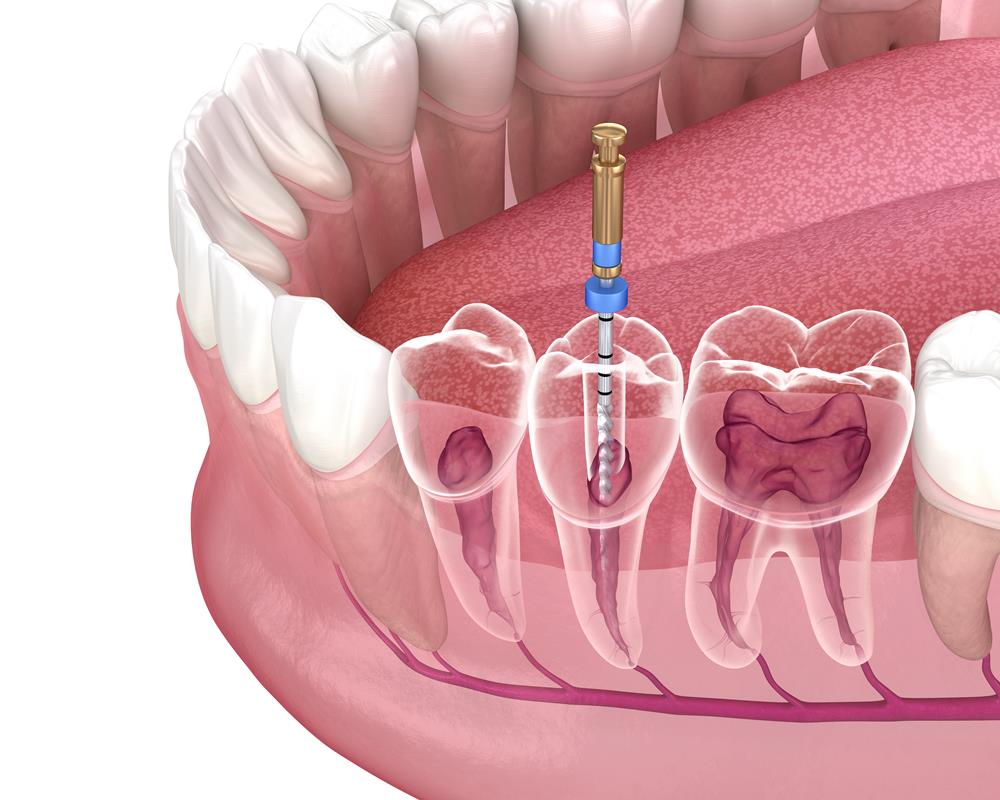 A root canal is an endodontic dental procedure used when removing the infected or decayed soft tissue inside a tooth to prolong its life is necessary. According to one report, more than 15 million root canals are performed in the United States each year.
Dr. Pagadala from [dm-name] in Newark, California, are award-winning dentists who perform a host of dental treatments to help keep your pearly whites healthy, including root canal procedures.
If you believe you require a root canal procedure done, here’s what you can expect:
Steps Involved in a Root Canal Procedure
A typical root canal procedure involves six steps. Let’s take a closer look at them:
- Dr. Pagadala, our in-house prosthodontist, will take an X-ray of your teeth to determine the shape of the root canals. He will check for any signs of infection in the surrounding bone. Dr. Pagadala will then use local anesthesia to numb the region near the infected tooth.
- Next, Dr. Pagadala will place a rubber dam to prevent saliva from trickling down around the tooth.
- In the third step, Dr. Pagadala will drill into the tooth to access the soft tissue. Here, the dentist will remove the bacteria, the pulp, and the damaged nerve tissue and clean it with root canal files. Dr. Pagadala will then spray a sodium hypochlorite solution to flush out the debris.
- After cleaning, Dr. Pagadala will seal the tooth with a sealant. Depending on the infection, Dr. Pagadala may put medication inside to help clear it up.
- To fill the root canal, Dr. Pagadala will use a rubber compound called gutta-percha and add a filling material to close the access created at the beginning of the treatment.
- The last step may involve making further reinforcements in case the tooth sustained extensive damage. Dr. Pagadala may suggest a crown, a crown with a post, or other prosthodontics, to restore the tooth to its full function.
Get in touch with [dm-name] to know more about root canal procedures. Call [dm-phone] or visit our office at 5866 Mowry School Road, Newark, CA 94560 for a consultation.
Five Things You Should Know About Dentures
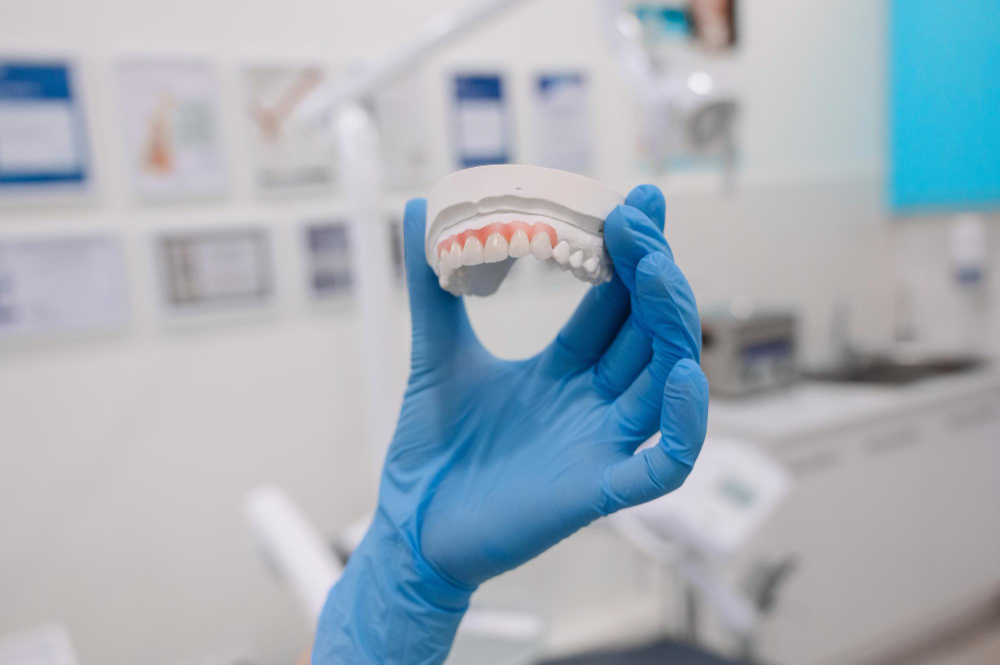 Dentures are the go-to option for people who have lost most of their teeth to old age, dental disease, or accidents. They are artificial teeth made of dental-grade ceramic and gum-colored acrylic attached to a gum-like base that help patients requiring partial or full-mouth restorations.
Dr. Pagadala, our award-winning dentist at [dm-name], offer advanced dental treatments and procedures to prolong your oral health and restore your oral functionality.
In this blog, we’re looking into a few of the things you should know about dentures.
There Are Two Types of Dentures
There are two different types of dentures available on the market – partial and full-mouth dentures. Partial dentures are used when the patient needs to replace one or several teeth in a row, whereas full-mouth dentures can replace a whole set of teeth.
Denture Hygiene Is Important When Wearing Dentures
Besides maintaining your oral hygiene by brushing and flossing your remaining teeth, you will also need to clean your dentures regularly. In addition, you should keep them in water or special denture solutions when they are not in use.
Cleaning them regularly helps protect the dentures from microbial buildup and the buildup of food residue that can cause infections in your mouth. Cleaning them daily also ensures they look good as new for years.
Dentures Can Be Repaired
Dentures usually last around 7-10 years. During this time, if any of the parts come undone or get chipped or cracked, you can bring them in to be repaired. However, if the damage is extensive, you may need to have them replaced.
In any case, you should avoid fixing them at home and make sure to visit our dentists at [dm-name] to have them repaired.
Eating and Talking Takes Some Getting Used To
After you get your full or partial dentures, eating and talking with them may feel slightly uncomfortable at first. That’s because your oral muscles take time to get accustomed to the replacement teeth. The same goes for speech.
However, it usually does not take patients long to get used to their dentures and return to normal.
You May Feel Some Discomfort
You may feel slight discomfort or slight pain when you start using dentures because your mouth must accept the prosthetic and your gums must adapt to the new teeth.
To know more about dentures and determine if it’s the right choice for you, schedule a consultation with Dr. Pagadala, at [dm-name]. Contact us at [dm-phone] for an appointment or visit our office at 5866 Mowry School Road, Newark, CA 94560.
Oral Health During COVID-19
 According to the American Dental Association, oral hygiene is related to COVID-19. It is why maintaining good oral hygiene is a crucial task today. In this article, we will seek to understand the connections between the two and how to overcome them.
Dental Problems During COVID-19
A large number of people are afflicted with COVID-19. It is reported that these people are also at a higher risk of oral diseases and encounter imbalances in oral health and health care.
COVID-19 has also restricted dental practices for dentists. They were asked to use non-aerosolizing preventive approaches since aerosol-generating methods can cause viral transmissions. Thus, COVID-19 has made a vast impact on the lifestyle and oral health care of people.
Proper Oral Hygiene Reduces the Risk of COVID-19
Oral hygiene does not always mean the complete elimination of viruses, bacteria, and fungi from the oral cavity. It is the equal maintenance of non-pathogenic microbes in it. Encouraging this balance reduces the risk of viral infections. You can achieve this by following routine cleaning through antibacterial mouthwashes and by eliminating high concentration pockets of microorganisms in the form of biofilms.
How to Maintain Good Oral Hygiene
If you want to reduce the risk of COVID-19, it is advisable to maintain good oral hygiene. Thus, you need to look at the following tips to keep you and your teeth healthy during this pandemic:
- According to a report, the coronavirus stays on the surface of an object for up to three days. This includes your toothbrushes. Thus, to keep your toothbrush clean and free of the virus, it is recommended to rinse it with point five percent hydrogen peroxide for fifteen minutes.
- Wait for the toothbrush to dry before keeping it. It will help to prevent you from getting infected from the virus or bacteria accumulated in it.
- The American Dental Association asks you to replace your toothbrush after every three to four months. However, recently because of coronavirus, dentists ask their patients to replace the brush more often than before.
- Avoid touching your face, lips, mouth, eyes, and ears, with unwashed hands. It will save you from getting affected by COVID-19.
Other than these general guidelines, it is recommended to:
- Use antiseptic to kill the bacteria or germs from the mouth.
- Avoid alcohol and tobacco.
- Regularly floss your teeth to eliminate the buildup of plaque.
- Use fluoride toothpaste when brushing your teeth.
- Drink a lot of fluoridated water.
These preventive measures can help keep you safe from COVID-19 infections.
[dm-name] offers expert dental care solutions during the present COVID-19 pandemic times, following the rules and regulations set by the authorities. For more information call us at [dm-phone], book online, or visit us at 5866 Mowry School Road, Newark, CA 94560.
All About Dental Crowns Bridges
 Crowns and bridges are dental treatments that work to restore damaged teeth or to replace missing ones.
Dental Crowns
Crowns are a cosmetic dental treatment used to strengthen a tooth or to improve its shape. They are used when a tooth has lost its structure or broken because of decay, trauma, or worn down from grinding. When a tooth filling needs to be replaced because of new decay, your tooth is at greater risk for fracture. In such cases, your dentist may recommend a crown where a cap is permanently affixed to an existing root structure to protect and strengthen it and to avoid the risk of breakage. Crowns are attached to an existing tooth, and in effect, the crown becomes your tooth’s new outer surface. Both porcelain and metals are used to make crowns, but porcelain crowns are most preferred as they are strong and look like natural teeth.
Benefits of getting a crown
- Crowns are a restorative treatment that adds to your oral health in the following ways:
- They restore the function of a damaged or decayed tooth
- They improve your chewing and speaking
- They replace an unattractive or missing tooth
- They prevent further damage to already compromised teeth
- They look completely natural
- They cap off a dental implant
Fitting A Dental Crown
Fitting a crown usually requires only two dental visits. We will remove the decay, shape your tooth, and affix it with a temporary crown during the first visit. On the next visit, we will replace the temporary crown with the final crown.
Dental Bridges
A bridge is a prosthetic tooth used when one or more teeth are missing or needs to be replaced. A bridge bridges the gap created by the missing teeth by replacing them with artificial teeth. Bridges can be made from alloys, porcelain, or gold, or a combination of these materials. In order to place a bridge to fill the gap created by missing teeth, the adjacent teeth will be trimmed to permit the bridge to fit over them.
Compared to other tooth-replacement methods, one significant advantage of bridges is that they are fixed in the mouth and are not removed. However, as they are placed on other teeth, it is essential to maintain a high level of oral hygiene to ensure that the supporting teeth do not experience decay or bone loss.
Benefits of getting a bridge
When just one of your teeth goes missing, your entire oral health can be affected. By replacing your tooth, a bridge prevents many of these problems.
- Bridges prevent your natural teeth from shifting out of place into the missing tooth space
- Bridges help in the correct distribution of force in your bite
- Bridges keep your facial muscles from drooping into the space created by the missing tooth
- Bridges improve your speaking and chewing
- Bridges improve the aesthetic appearance of your smile
Fitting a dental bridge
Before fitting the dental bridge, the dentist will evaluate your specific needs and concerns to determine what dental bridge best suits you. Your teeth are then reshaped and prepared, and a digital impression of your teeth will be taken using a digital intraoral scanner. This impression is used to create a customized dental bridge. The final step of a dental bridge procedure is to cement your permanent dental bridge into the mouth.
Reach out to us on-call [dm-phone] or by scheduling an online consultation, and we’ll be happy to help you.
Why Dental Sealants are Necessary
 Everyone can still run the risk of dental issues and tooth decay despite proper brushing and flossing. Although there is no single effective method that works to maintain dental health, dental sealants are one proven treatment option that is quick, minimally invasive, and help protect teeth from decay in conjunction with regular cleanings and at-home care.
What are dental sealants?
Dental sealants are thin, plastic coatings applied to the teeth’s surface to protect them from decay. As grooves of teeth are hard to clean, they are more susceptible to a buildup of plaque that leads to decay. Sealants make teeth easier to clean by creating a smooth surface that fills deep grooves.
When is the ideal time to perform dental sealants?
Tooth sealants can be applied to children any time between the ages of 6 and 16 or once the six-year molars are present.
Procedure
During the procedure, the selected tooth is cleaned first, and then the sealant is painted onto the tooth enamel, where it will harden and bond to the tooth, thus protecting it from decay. This is a painless, in-office procedure that takes just a few minutes.
Are Dental Sealants Necessary?
For anyone who wants to preserve their dental health and prevent tooth decay, dental sealants are necessary. Many people have grooves in their teeth that the bristles of the toothbrush cannot reach. As the food remains and plaque sits there, the acids and bacteria in the mouth continue to break them down and make the enamel more porous and more likely to develop a cavity. Dental sealants fill in these grooves, thus making brushing easier and more effective.
Once dental sealants are applied, they should be periodically checked to ensure that they are still intact and serve their purpose. Reapplying them will ensure that the tooth is protected against decay, thus saving the expense of having a more involved tooth restoration procedure in the future if cavities develop.
Dental Sealants for Kids at Balentine plaza dental
Children are the best candidates for dental sealants, as they don’t lose baby molars until 12 years old, thus ensuring protection for both the baby teeth on the top and the developing adult teeth below. Adults can also consider dental sealants to avoid the risk for cavities due to poor diets and unpredictable lifestyles.
Want to know more about dental sealants or wish to perform the procedure? Call us at [dm-phone] or book an appointment online.